
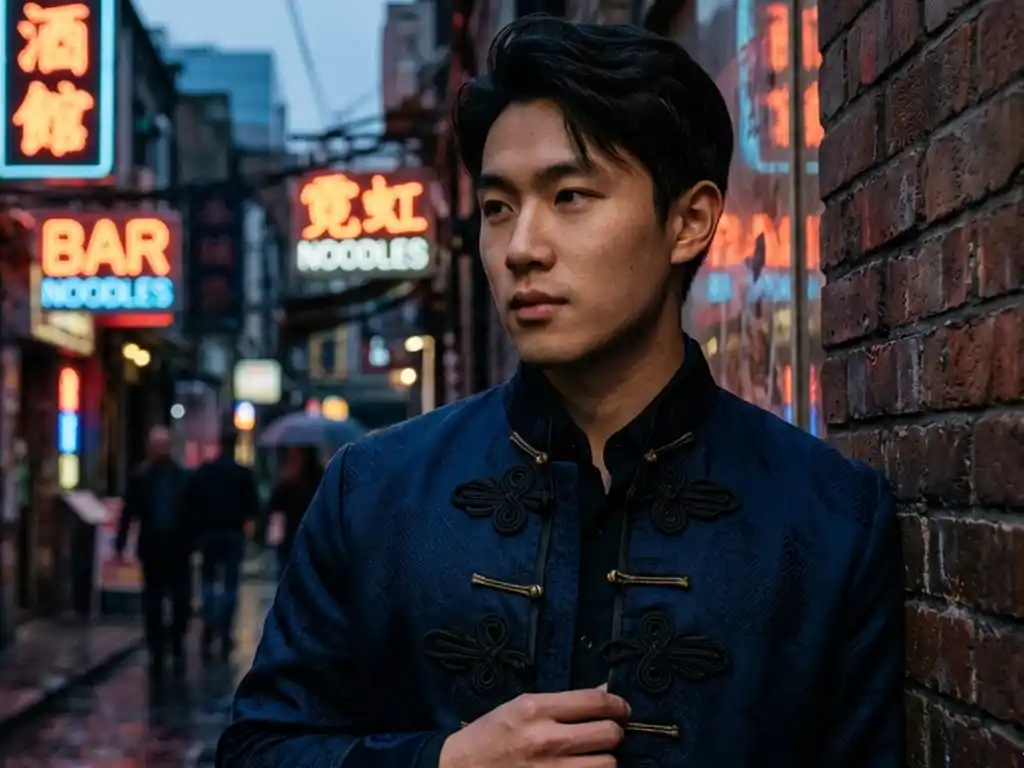
From Tang Jackets to Streetwear: The Journey of the Chinese Knot
It starts with something small. A loop. A knot. A closure that doesn’t look like much at first glance. But the Chinese knot, often known as the pankou, carries centuries of history in a single detail. What began as a practical fastening has travelled through dynasties, survived cultural shifts and now lands right in the middle of modern menswear. This goes beyond a simple design element. It carries a story stitched into the fabric.
Where It Began: Function Meets Craft
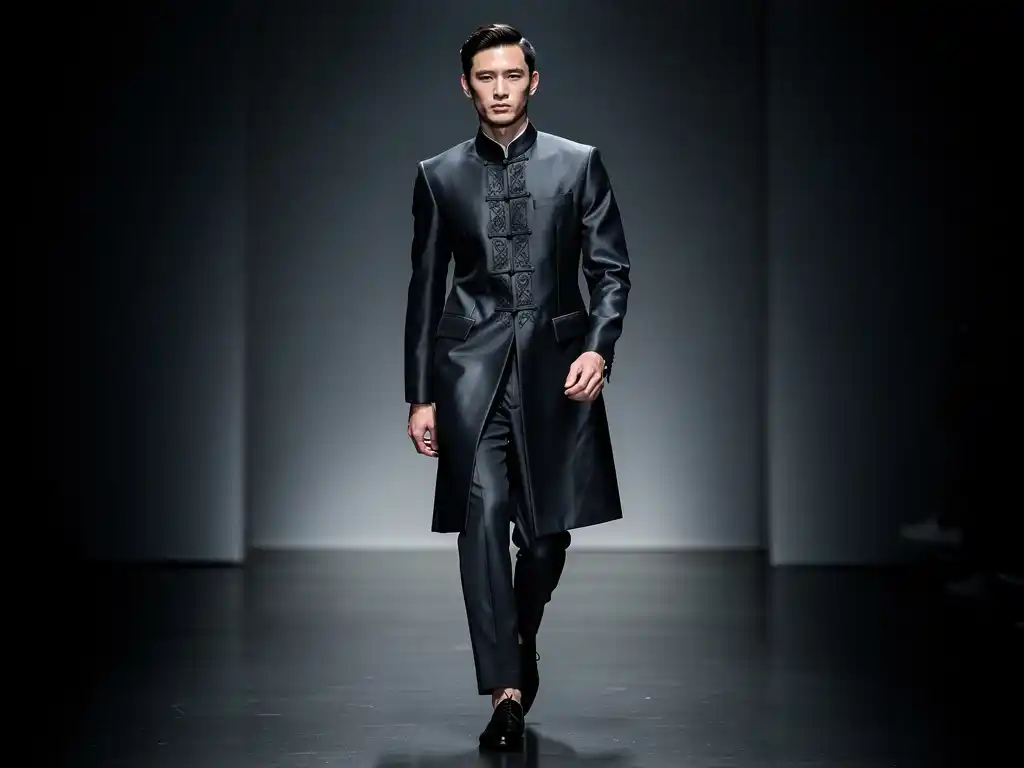
Long before it appeared on runways or hoodies, the Chinese pankou knot was part of traditional Chinese dress. You’d find it on Tang jackets, a Changshan dress and other garments worn across different dynasties.
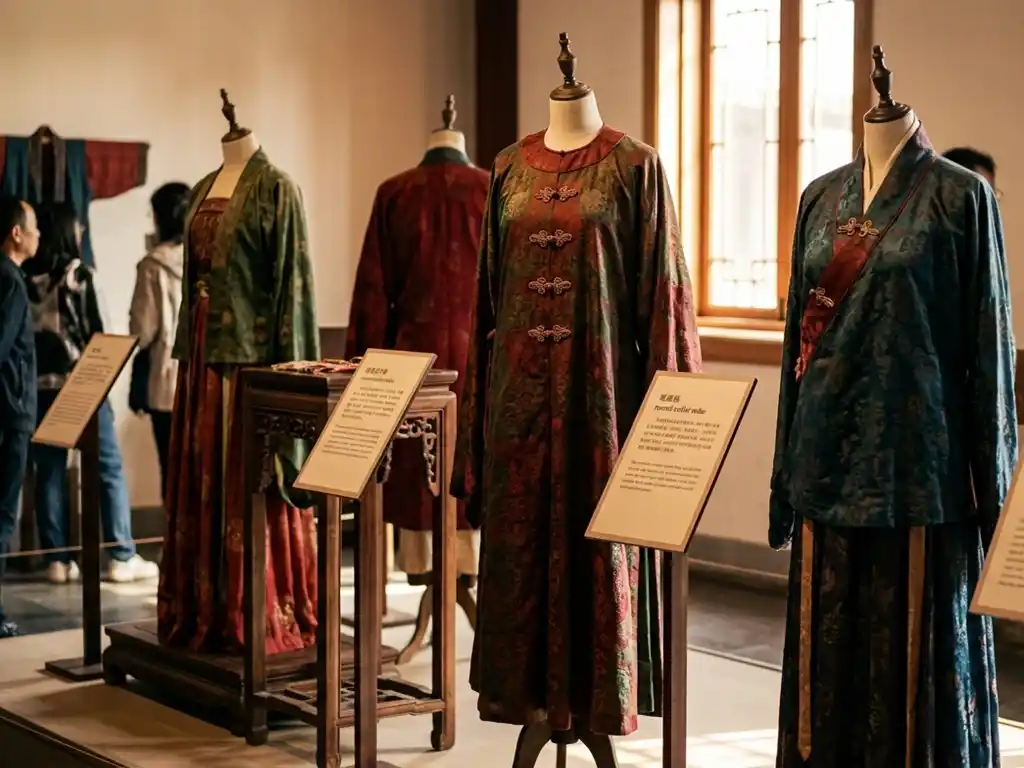
Its role was simple. Fasten the garment without metal or buttons. But simplicity never meant basic.
Each knot was hand-tied, often symmetrical, sometimes intricate. The loop and knot system allowed for movement while keeping the garment clean and structured. No hard edges, no industrial feel. Just fabric shaping fabric. Over time, what started as function became craft. And craft became identity.
More Than a Closure: The Meaning Behind the Knot
In Chinese culture, knots carry symbolism. They represent unity, continuity and connection. No beginning, no end. Just a continuous flow. That idea shows up across art, decoration and clothing. The pankou knot sits right in that space. More than just fastening a jacket, it carries meaning.
Different styles of knots could signal status, occasion or even personal taste. Some were minimal and restrained. Others were more decorative, almost ornamental. But they all shared one thing. Intent. Nothing about the knot was accidental.
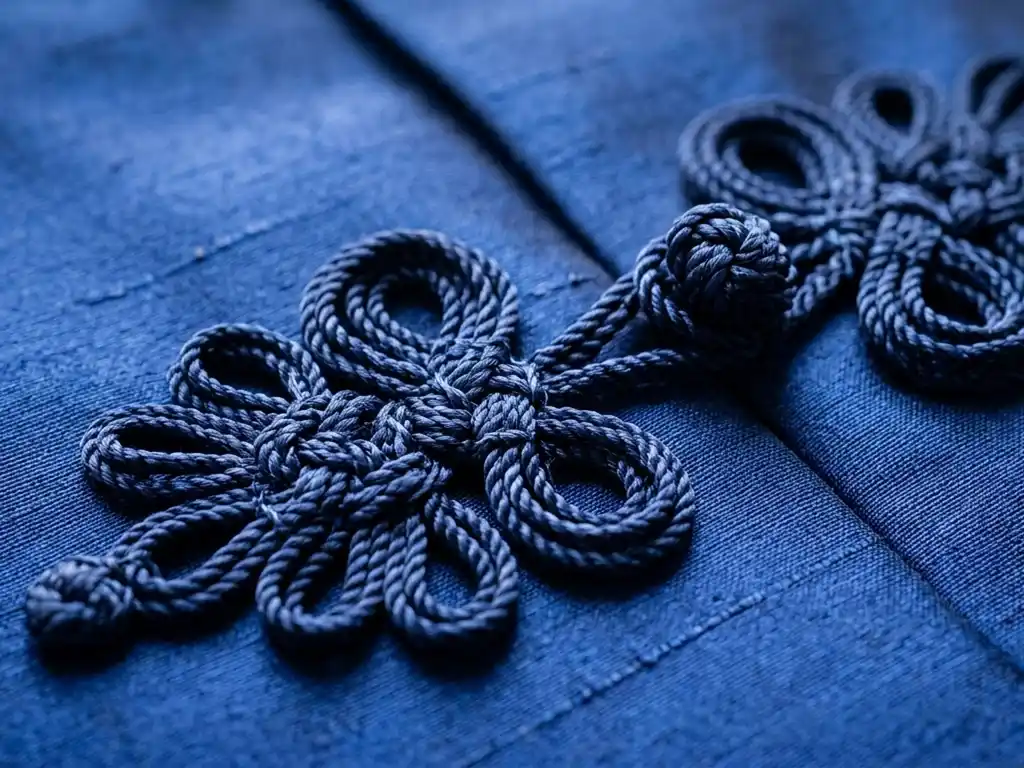
From Tradition to Transition
As China moved through the 20th century, fashion shifted. Western influences grew stronger. Buttons, zippers and mass production took over.
The pankou didn’t disappear, but it moved into more formal or traditional spaces. Ceremonial wear. Cultural dress. Special occasions. For a while, it sat there. Preserved, but not evolving.
Then fashion started looking back. Designers began digging into heritage, not to replicate it, but to reinterpret it. And that’s where the knot found its way back in. Not as a full garment. As a detail.
The Modern Shift: Detail Over Dominance
Today, the pankou knot doesn’t need an entire outfit to make sense. It shows up in small ways. A single closure on a jacket. A subtle detail on an overshirt. A quiet design move that changes how a piece feels. This is where it clicks with modern menswear, especially in the rise of the Chinese knot fastening.
Silhouettes stay clean. Cuts stay familiar. But one element carries depth. That balance is what makes it wearable. You’re not stepping into traditional dress. You’re bringing a piece of it into your everyday look.
Streetwear Picks It Up
Once streetwear gets hold of something, it moves fast. The pankou knot has started appearing in hoodies, fleece jackets and hybrid pieces that blend sportswear with tailored elements, pushing the Chinese knot into modern menswear. Brands experiment with placement, scale and materials.
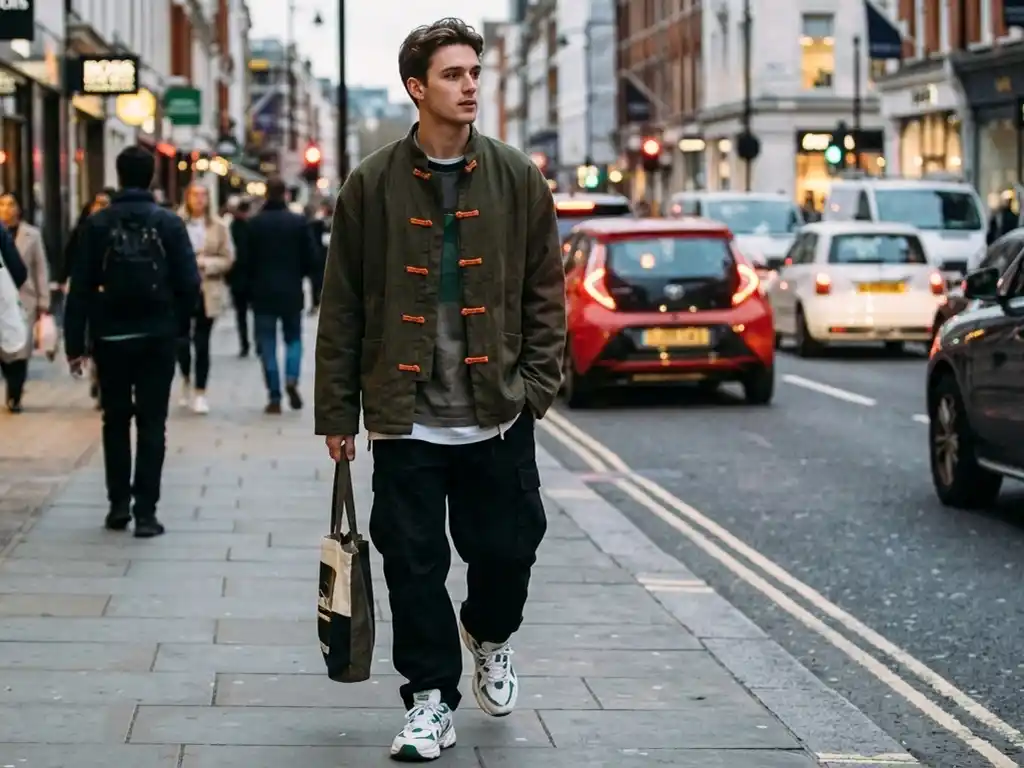
Sometimes it’s subtle. Sometimes it’s exaggerated. But the core idea stays the same. A soft, handcrafted detail sitting inside a modern, often industrial context. That contrast gives it edge.
Why It’s Coming Back Now
Timing matters. And right now, everything lines up.
A shift away from loud branding
Menswear is moving past heavy logos and obvious statements. Details feel more personal, more considered.
A growing interest in cultural depth
People want more than just aesthetics. They want meaning, story, context. The pankou knot delivers all three without forcing it.
The rise of Asian influence in global fashion
Designers and creatives from across Asia are shaping the direction of modern style. Not as a trend, but as a natural evolution. The knot sits right at the centre of that movement.
Craft over mass
In a world of fast fashion, anything that feels handmade, intentional and rooted stands out immediately.
What Makes It Stick
Some trends flash and fade. The pankou knot doesn’t feel like one of them. Rooted in history rather than hype, it carries staying power.
The Chinese knot adapts without losing its identity. It fits into modern silhouettes without needing to dominate them. And it adds something most pieces are missing: quiet character.
From Tang jackets to streetwear, the journey of the Chinese knot is less about reinvention and more about reintroduction. It was always there. It just needed the right moment to return.
Now it’s back, not as a costume, not as a statement piece, but as a detail that sharpens everything around it. And that’s exactly why it works.
Hanan: text14 April 2026
You Might Like This
Loved this one? We picked a few more you might like.



Your voice!