

From the High Andes to the Stage: How Peru Wears Its History
In the high-altitude plateaus of the Andes, fashion is far more than a choice of clothing. Out here, clothing doesn’t just sit on the body. It moves, it performs.
Walk through the streets of Cusco or the rural markets of the Sacred Valley early in the morning, before the crowds hit, and you start to notice it. A multisensory symphony where sight and sound are impossible to untangle, where ancient Andean flutes cut through the modern sound of Peru. Here thread and sound often come from the same wool.
The Poncho, Decoded
Up close, the poncho stops being clothing. Stay with it and it starts to read like a map of someone’s life. Every diamond, zigzag and stylised animal stitched into the fabric points somewhere. A village. A family. A way of seeing the world.
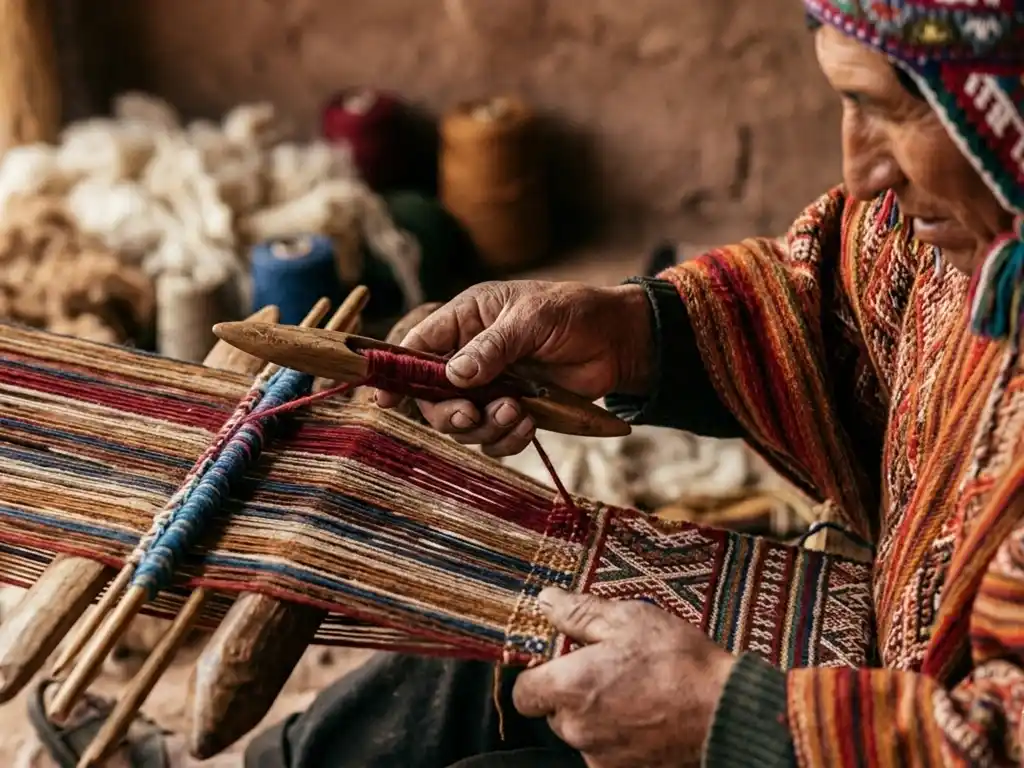
Every pattern carries meaning, shaped by hand and memory.

Nothing here is random. Every line has a reason.
Identity in every thread:
A weaver from Huilloc uses a particular palette and geometry that looks nothing like the work produced in Chinchero.
The power of red:
The vibrant crimson tones, which usually come from cochineal insects, represent the blood and vitality of the earth. It ties the wearer directly to the land.
When a local leader puts on a ceremonial poncho, they are not just wearing heritage. They are carrying the entire history of their community on their shoulders. And that story doesn’t stop at the cloth.
Where Pattern Becomes Sound
Spend enough time around it and the patterns start to feel less visual, more like something you can hear. Look closely at a traditional lliklla, or shoulder cloth, and the motifs begin to shift.
This is the visual version of the pentatonic scale used in traditional Huayno music. A flautist circles back to a phrase, bending it slightly each time, a sound that still cuts through modern Peru today. A weaver does the same, only with thread instead of breath. The loom becomes the instrument. The shuttle keeps the beat.
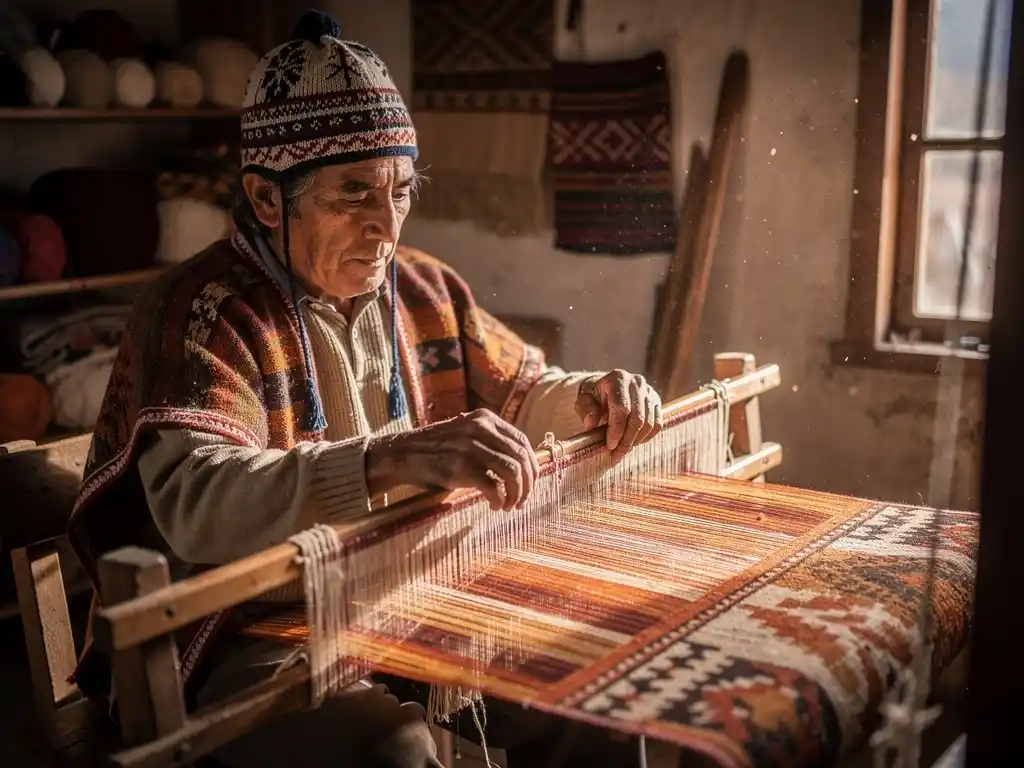
Beauty here doesn’t sit still. It loops, repeats, builds on itself. When a dancer spins at a festival, the patterns on their pollera skirt create a strobe effect that mimics the rapid trill of a charango instrument.
When Music Carries the Look
Step onto a stage in Peru and the clothes don’t follow the music, they move with it. Weavers build the look. Musicians take it out into the world, louder, sharper, impossible to miss.
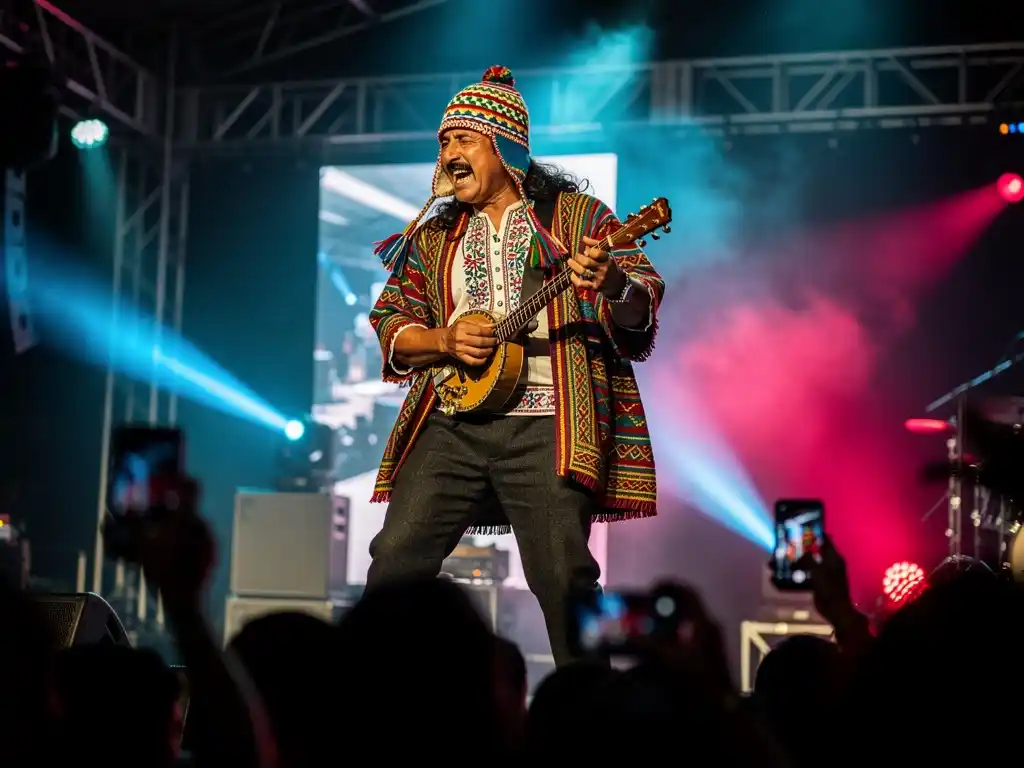
In modern Peru, a new generation of artists is pulling folk culture into something sharper, more immediate. They mix ancestral looks with a kind of contemporary confidence.
The stage as catwalk:
From the sequined vests of Huayno superstars to the heavy, hand-tooled leather boots worn by harpists, the stage is where traditional craft meets high drama. And honestly, it works.
The 'Cholo Goth' and folk-fusion wave:
Modern artists are pairing heavy Andean embroidery with streetwear silhouettes. They’re dragging these patterns out of glass cases and straight into the now.
The Echo of the Threads
Even after the music fades, something of it stays behind in the cloth. In a world full of fast fashion and clothes that get binned after a few weeks, the Andean approach offers something much more solid. Here, nothing about style is rushed. It can take months to weave a single garment and a lifetime to master the music that goes with it.
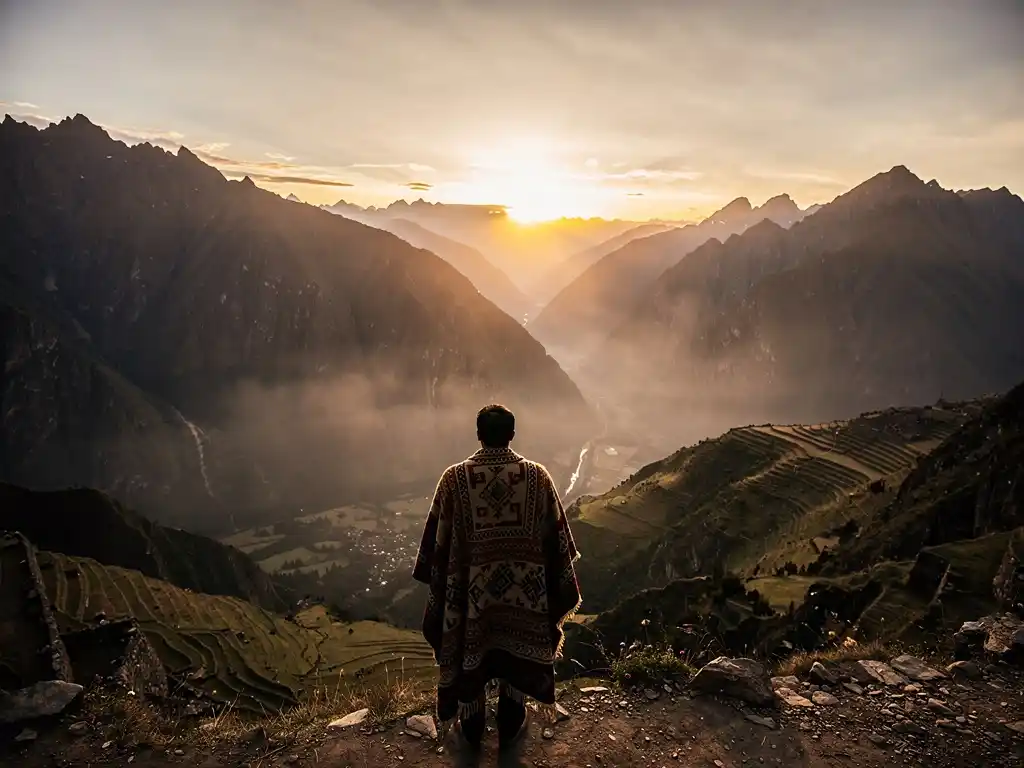
To wear the Andes is to hear the mountains. It sticks with you. Style runs deeper than a clean shot on a screen. It’s about how what we wear, what we sing and where we stand connect. Next time you see those geometric zigzags, don’t just look. Listen.
Hanan: text15 April 2026
More — Peru


You Might Like This
Loved this one? We picked a few more you might like.



Your voice!