
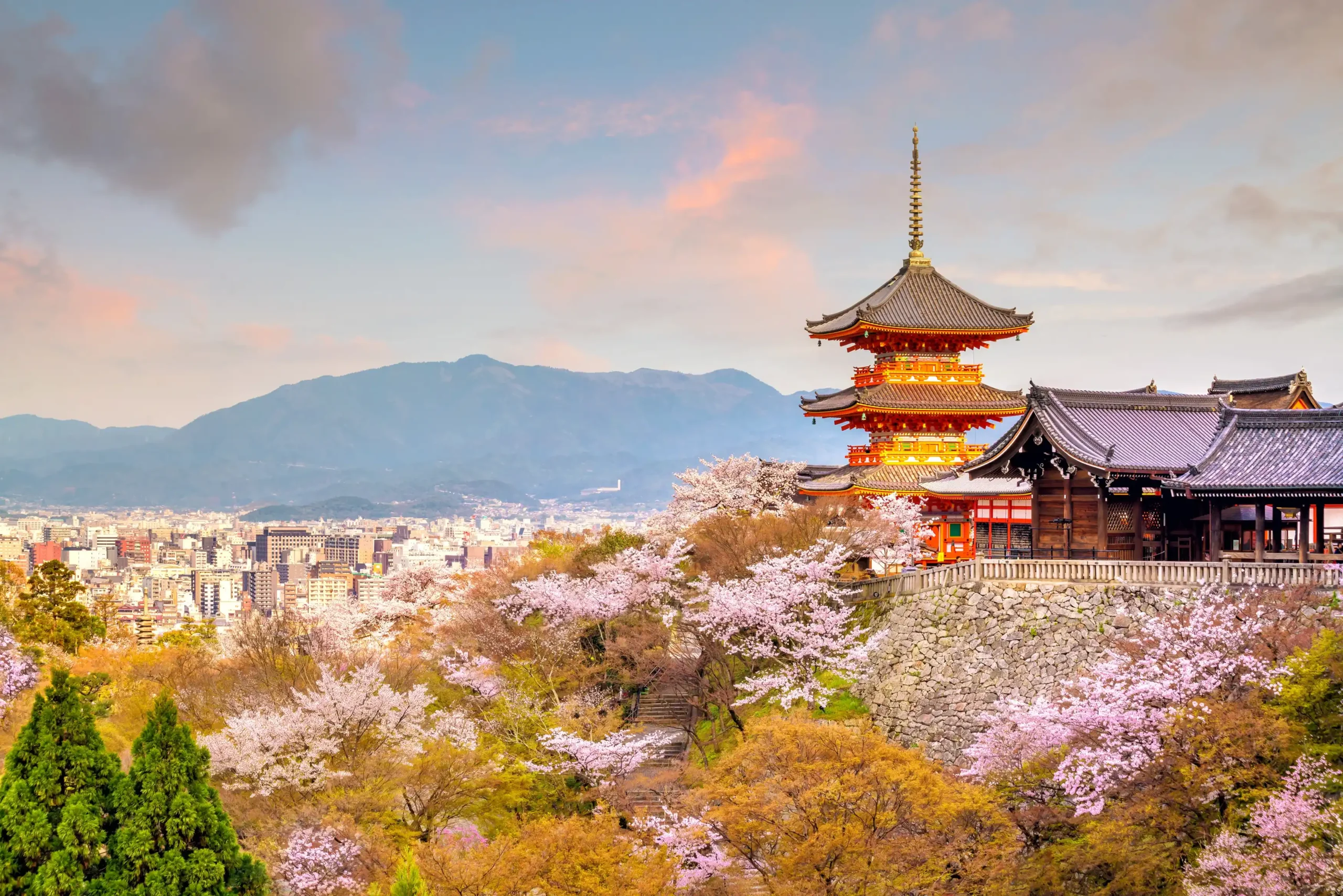
Cherry Blossom Festival in Kyoto: A Hanami Symphony in the Heart of Japan
Kyoto moves outdoors during cherry blossom season. Hanami brings people together for a brief moment that defines spring in Japan.
By mid-morning, most of the ground beneath Kyoto’s cherry trees is already taken. Blue sheets stretch across the grass, held in place by bags, bottles or whatever is at hand. Some groups are still hours away. The space is already theirs.
People arrive in stages. One arrives early to secure a spot. Another returns with food. Others move through the park more slowly, circling once more before giving up. Cherry blossoms have started to open across the city and everything adjusts around them.
Hanami
In Japan, spring means gathering under cherry blossoms. Food, drinks and time outdoors, shaped by a bloom that lasts only days.
The Claim
It happens quietly. No signs, no system, no instructions. A sheet goes down. Shoes step off. A boundary is understood without being spoken. By the time the group arrives, the space is set — bento boxes unpacked, canned drinks passed around, conversations picking up mid-sentence, as if no time has passed.
A bag is shifted to follow the sun, dragging the edge of the sheet with it. Nearby, someone leans back, using it as a pillow. Time isn't tracked too closely once the group settles in. Not every gathering is planned. Some start with two people and grow. Others stay small, contained, almost separate from the crowd around them.
The Overlap
By early afternoon, the parks are full. Groups sit close, voices overlap, movement slows. There’s less walking, more staying. Nearby groups glance over, adjusting their own space by a few inches without needing to speak.
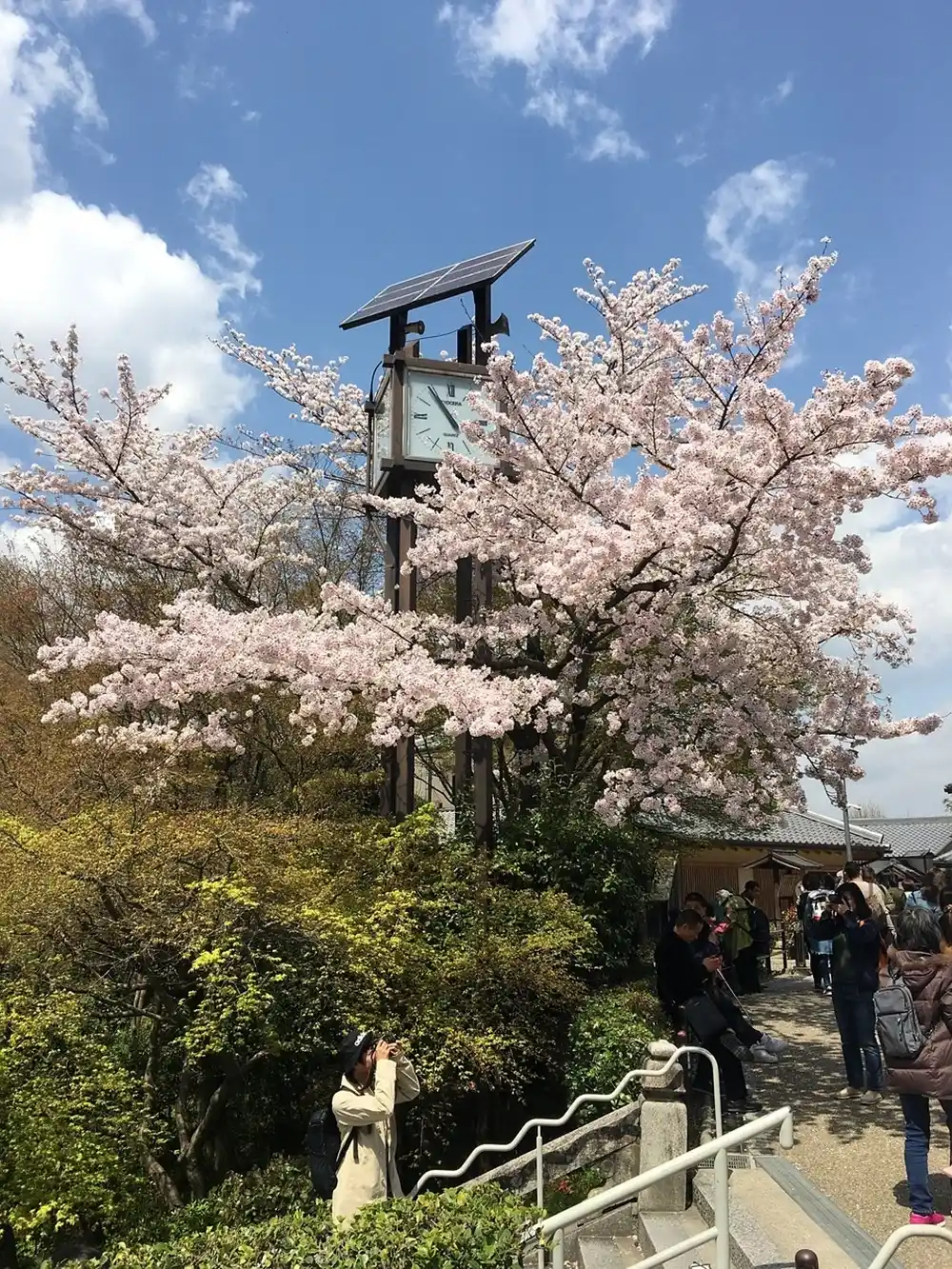
In the busiest areas, space tightens. Late arrivals circle, pause, move on. A few streets away, the same blossoms hang over quieter paths where people walk without stopping.
Two versions of Kyoto sit side by side. One crowded and social, the other quieter, almost still. No one stays for just a few minutes. Once a place is taken, it holds. The longer people remain, the less reason there is to leave.
The Shift
Late in the day, the tone begins to change. A late arrival steps carefully between groups, offering a quick apology before sitting down. Office workers arrive, still in their work clothes, joining groups that have been there for hours. Food is added, drinks replaced, the circle widens. The energy lifts, then settles again.
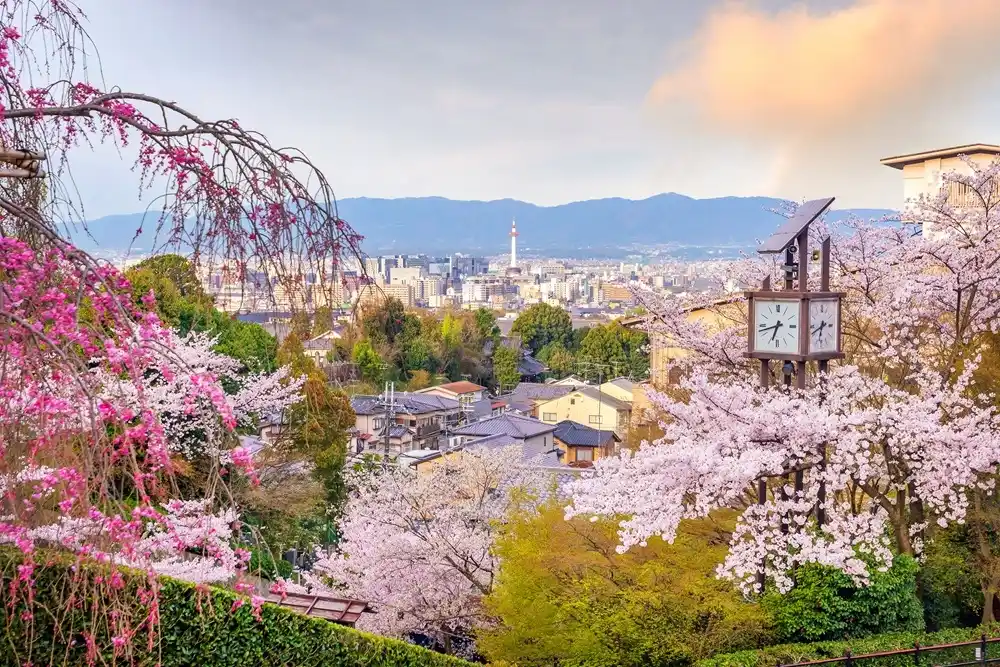
The blossoms are at their fullest now, but the awareness of their decline sits just beneath the surface. Nothing is said directly, but it shapes how long people stay.
After Dark
Lights come on beneath the trees. The blossoms hold their colour, but everything else slows. Voices drop. People lean back. Some stay in place, others wander through, looking up more than ahead. The same spaces feel different now. Less claimed, more shared.
Conversations thin out into shorter exchanges. Gaps of silence stretch longer. Attention shifts upward, back to the branches.
The Fall
It doesn’t last. Within days, petals begin to drop. They collect along the edges of paths, gather in corners, stick briefly to shoes before disappearing. The sheets are folded away, sometimes in a hurry. The groups thin out. The spaces open again.
By the end of the week, the ground is visible again where it had been covered. Movement returns to the paths. People pass through instead of staying.
Under the trees, there is nothing left to claim.
You Might Like This
Loved this one? We picked a few more you might like.


Your voice!