
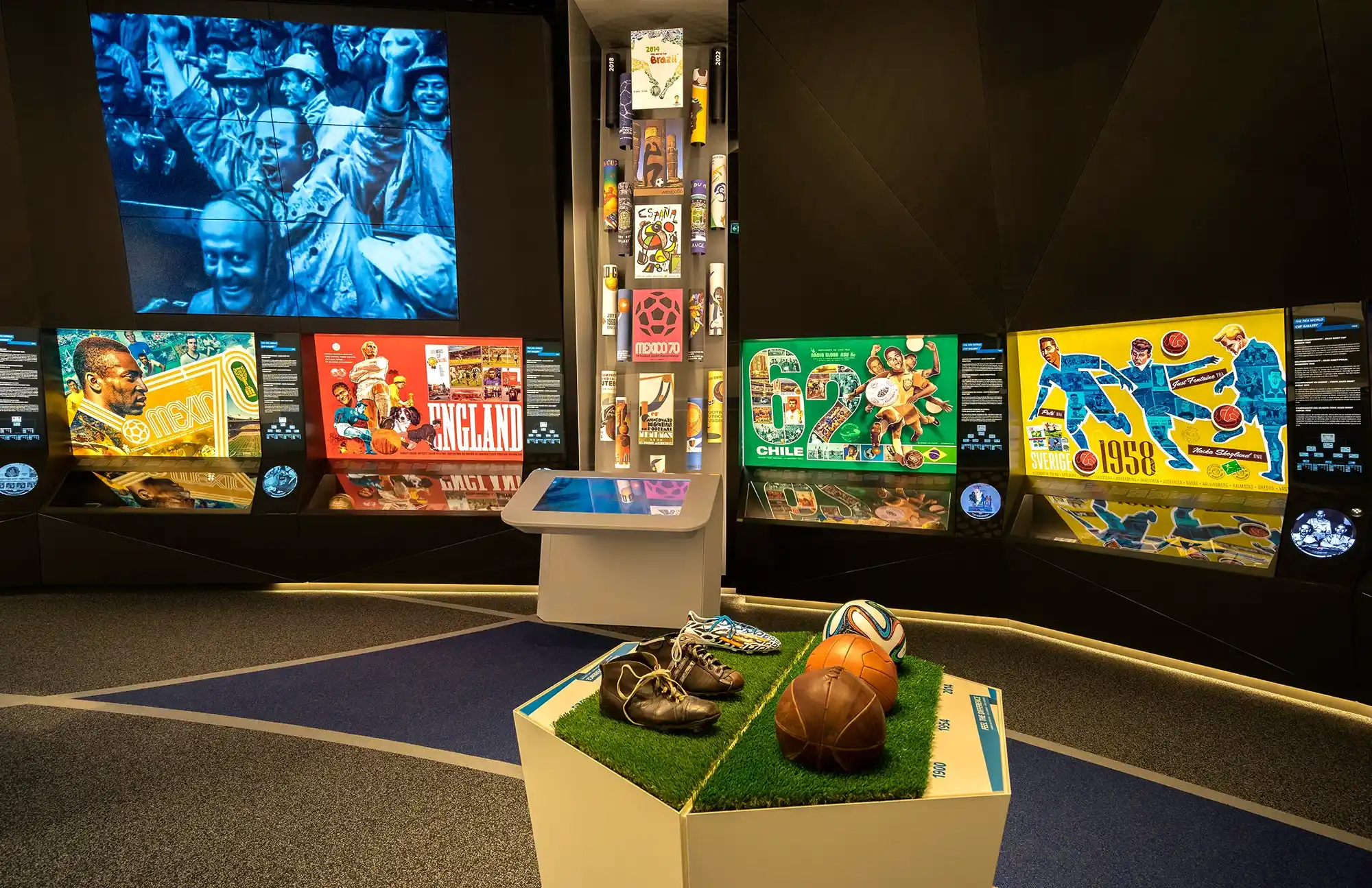
The FIFA World Football Museum in Zurich
The FIFA World Football Museum explores how a simple game became one of the strongest cultural forces on the planet.
Zurich’s quietness creeps up on you, like the city’s holding its breath. You notice it in the way the trams glide exactly to the second and how even the lake seems to mind its manners. Then you step into the FIFA World Football Museum and that quiet Swiss rhythm gets completely hijacked.
You realise fairly quickly that the museum isn’t really obsessed with objects. It’s chasing something grander than artefacts alone. Walking in, you half-expect a load of old boots in glass cases. What you get instead is something harder to shake. An argument, really, for why football matters to people far beyond the ninety minutes.
At a glance
- Global football culture under one roof
- World Cup trophy and iconic moments
- Identity, fans, and football symbolism
- Interactive experiences beyond exhibitions
Entering Football’s Shared Memory
The moment you walk in, it’s obvious this place isn’t interested in slow introductions. Colours hit first. Then sound. Shirts, flags, faces. All colliding in a way that feels more like a global street festival than a museum hall.
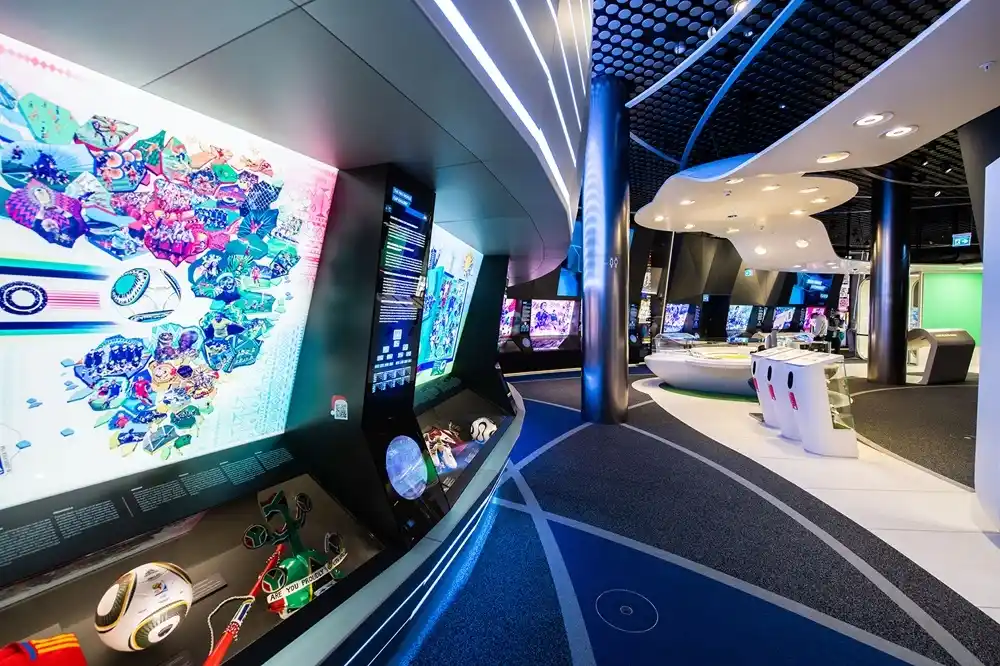
There’s no single narrative here. No dominant country. No clear hierarchy. Just the game. African football rubs shoulders with Europe, South America, Asia. Big names blend with teams you’ve barely heard of, and somehow it all makes sense. It feels like a language everyone somehow understands, no matter where they first learnt the game.
The Tunnel Effect
As you move deeper, the museum starts behaving like a stadium. Not literally, but emotionally. Chants echo. Commentary drifts past in multiple languages. Screens flash moments that once froze entire cities.
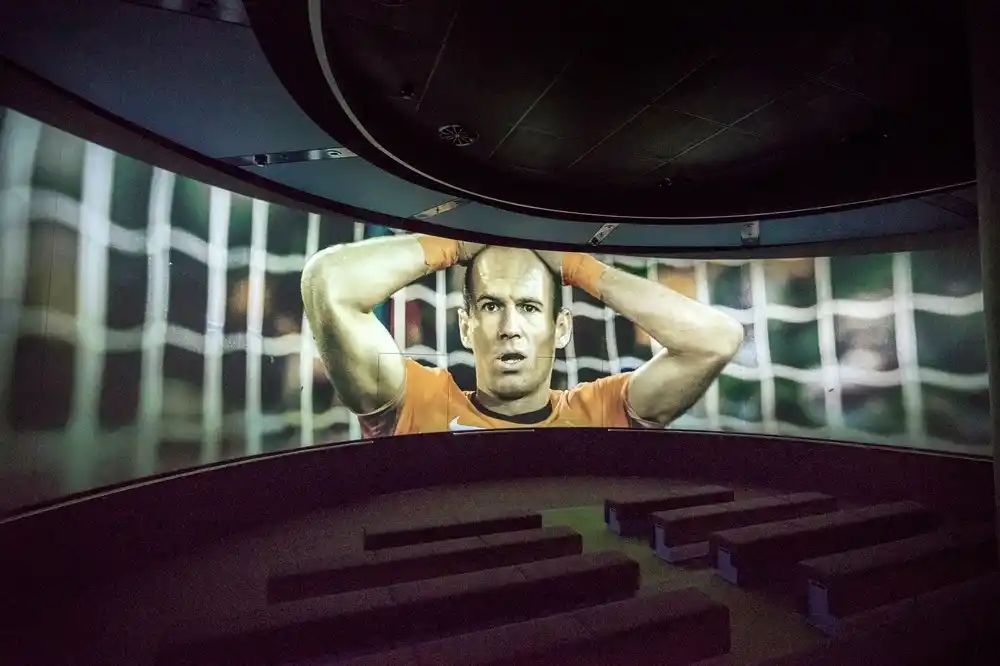
People slow down without realising it. They’re not reading yet. They’re recognising. A kit reminds them of childhood. A goal pulls them back to a bar, a living room or a street where strangers hugged for no reason other than shared joy.
No one sets out to end up hugging a stranger in a pub, but football has a habit of making that sort of thing happen. That’s the bit no exhibit can quite replicate.
The World Cup as a Cultural Symbol
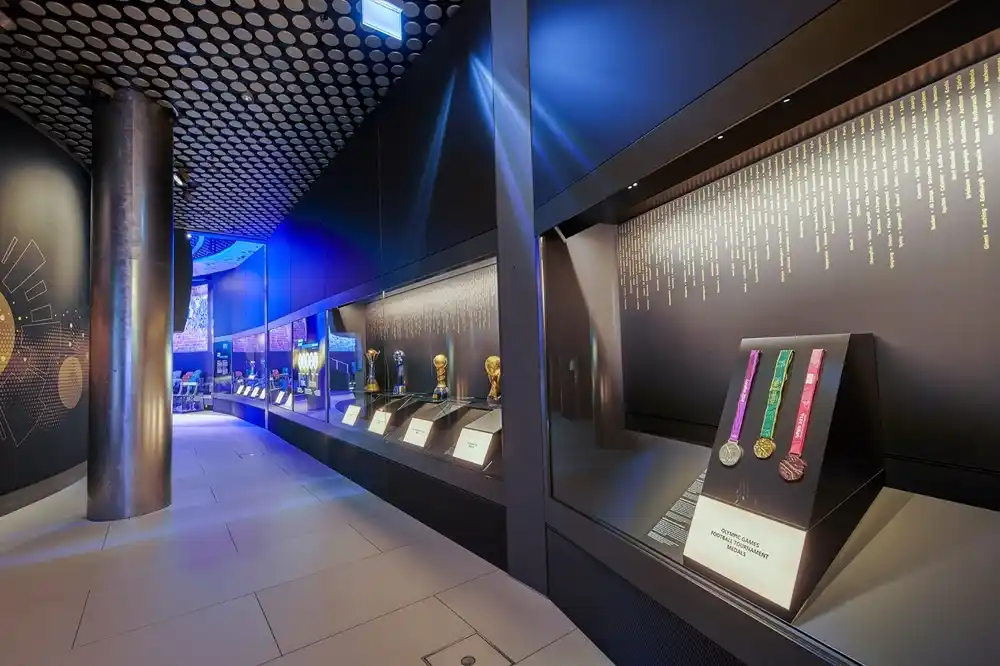
Then comes the pause. The World Cup Trophy.
Everyone reacts the same way. Voices drop. Steps hesitate. Phones rise carefully, almost respectfully. The Trophy itself is small, almost unassuming, yet it drags the weight of a thousand dreams behind it. It stops being a bit of gold and becomes a vessel for every childhood dream or national heartbreak you have ever sat through. National pride. Political symbolism. Generational pressure. Joy that lasts decades, or pain that never quite leaves.
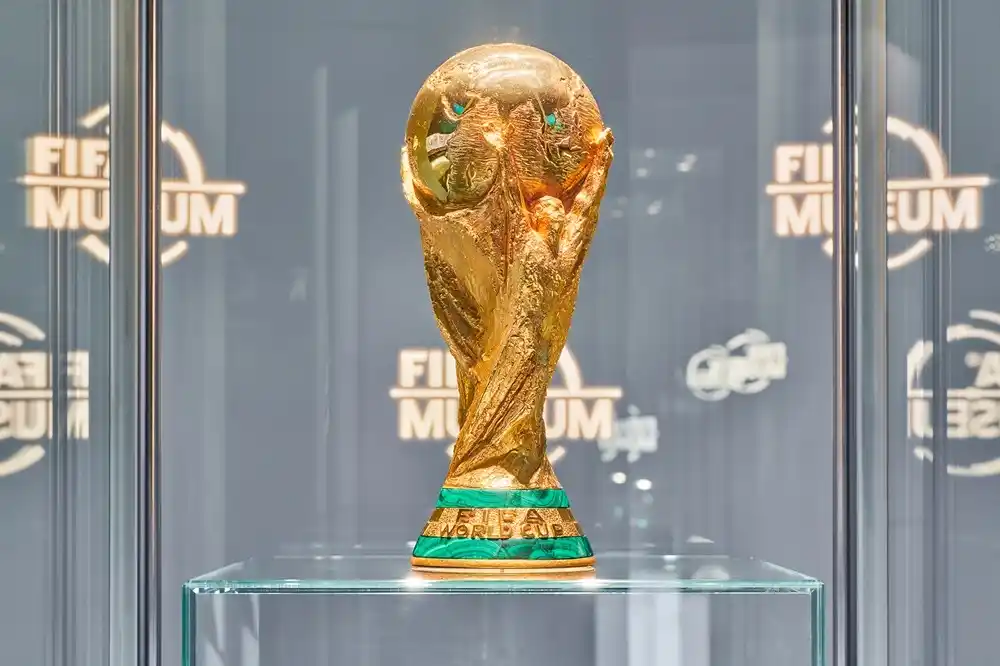
The Trophy matters, of course, but what really catches people is the history and hope they attach to it. Decades of near-misses, national neuroses, that one tournament their dad never stopped talking about.
Goals That Belong to Everyone
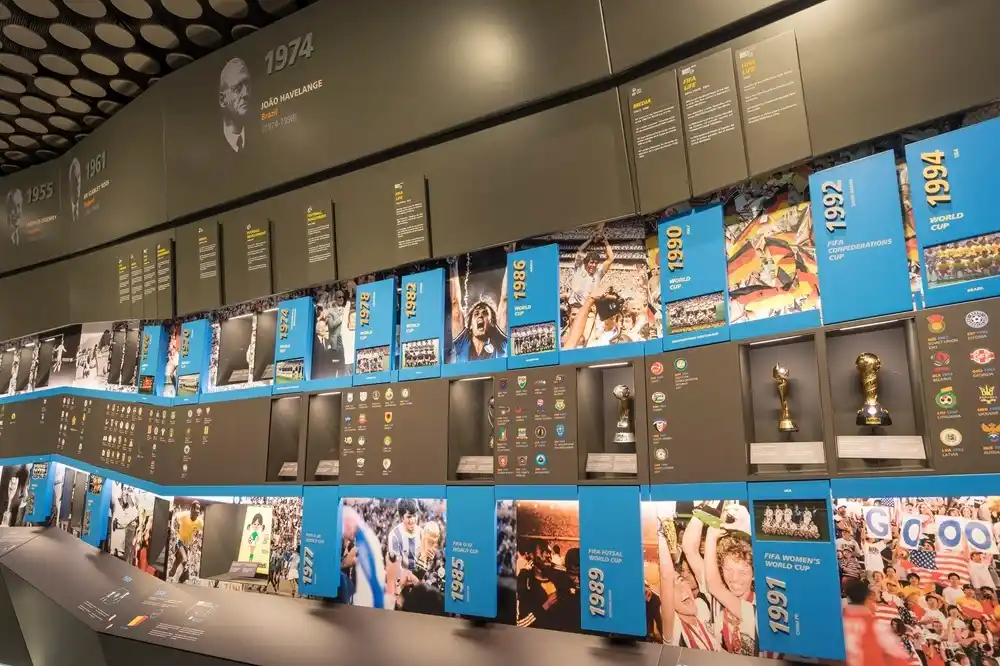
Just when things get heavy, the museum throws you back into motion. Iconic goals loop endlessly and the reactions around you are half the experience.
Some people cheer. Some laugh. Some shake their heads like the wound is still fresh. A goal scored thousands of kilometres away, decades ago, still triggers real emotion in a room full of strangers. Nobody sat you down and explained why that goal still matters. It just does, in the way family stories do, retold until they feel like your own memory even if you weren’t there.
Shirts, Colours and Belonging
Further on, football shifts from highlight reels to identity.
Here, shirts aren’t merchandise. They’re symbols. Colours chosen for history, resistance, unity or survival. Crests shaped by politics, geography and community pride.
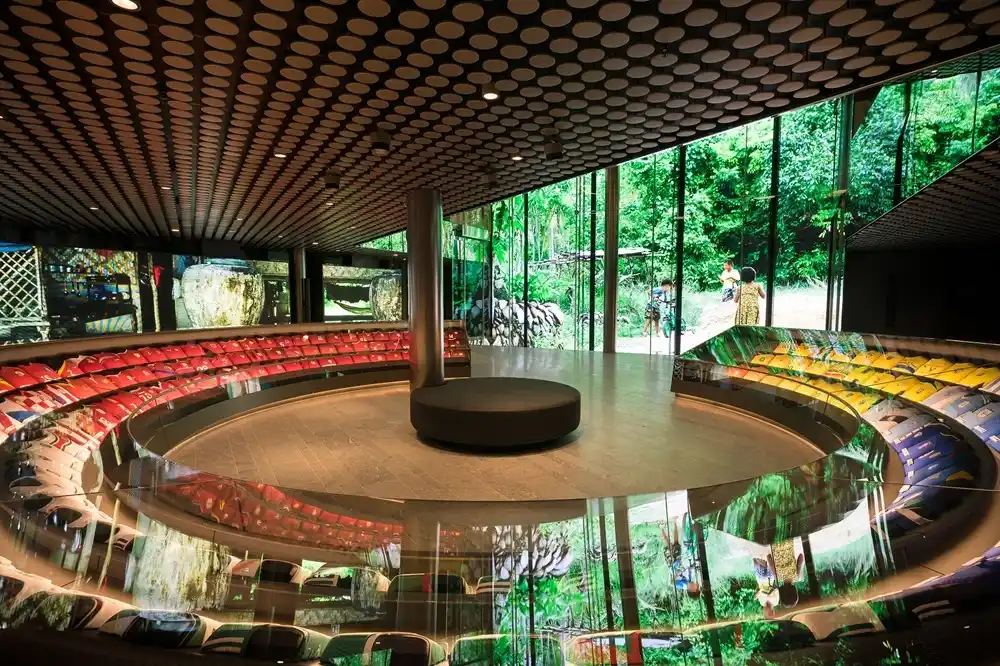
You don’t need to support these teams to feel the weight behind them. Football becomes a way people say who they are, especially when other voices are ignored.
This is where the museum quietly proves that football culture doesn’t start in boardrooms. It starts in streets, neighbourhoods and packed stands.
Play Is Part of the Culture
Then everything loosens up.
Interactive zones pull people in fast. Penalty challenges, referee simulations and commentary booths turn spectators into participants within seconds.
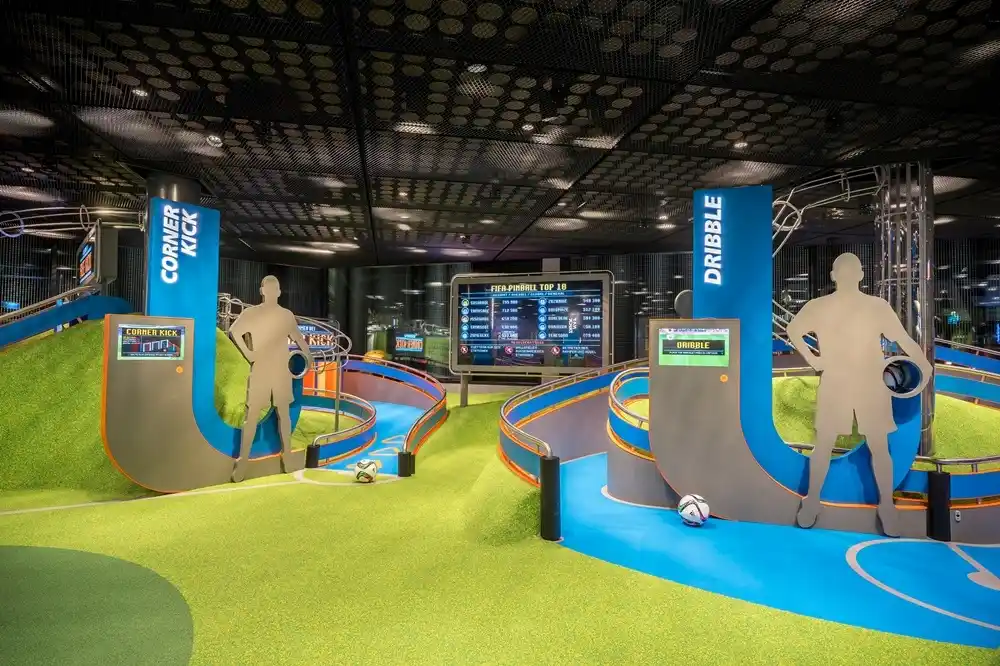
Adults miss penalties with misplaced confidence. Kids challenge referees. Someone steps into a commentator booth and realises it’s harder than it looks.
This matters more than it seems. Football culture survives because it’s playful. Because it invites participation. Because even failure is part of the fun.
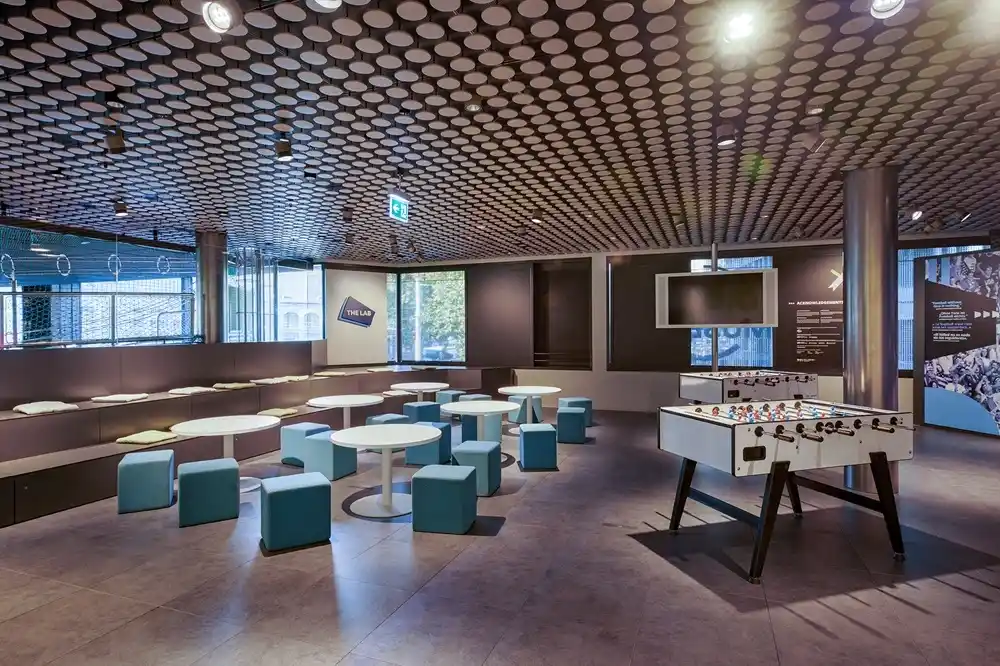
Take the mess and the failure out of it and you’re left with something that looks like football but doesn’t quite feel like it.
The Stories That Don’t Shout
Away from the noise are the quieter corners. Smaller exhibits. Softer lighting. Stories that don’t come with fireworks.
Women’s football fighting for space. Early versions of the game that feel almost unrecognisable. Teams that never lifted trophies but changed local cultures forever.

It’s these quieter corners that stay with you. They feel unvarnished and that gives them weight.
Football as a Living Culture
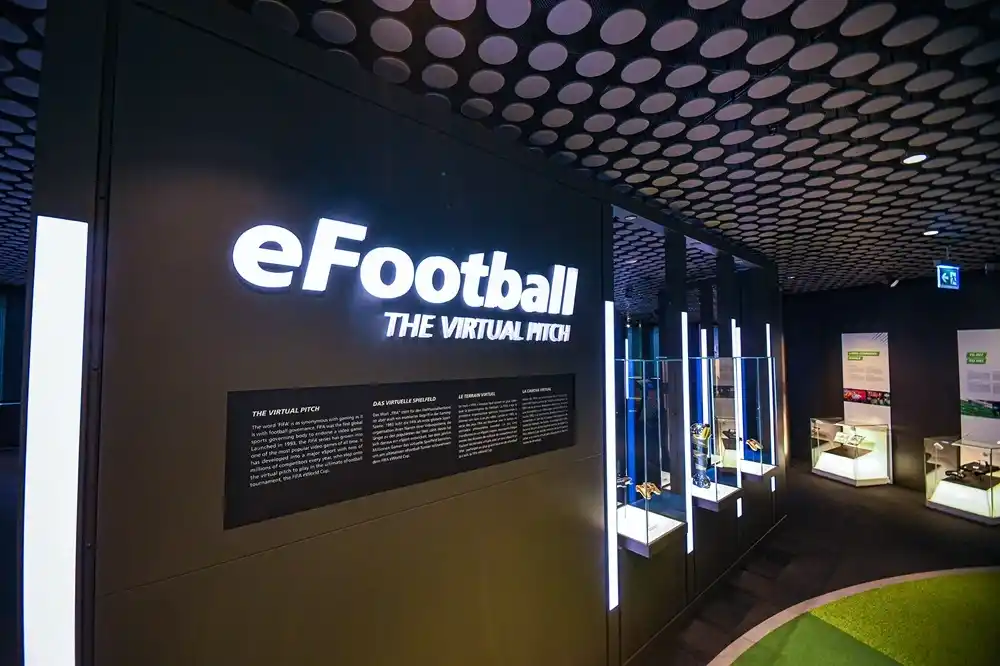
Upstairs, the focus turns forward. Technology. Modern changes. Debates that split fans down the middle.
The museum doesn’t take sides. It observes. Football evolves whether people like it or not. New tools, new rules, new arguments. And yet the emotional core remains stubbornly the same.
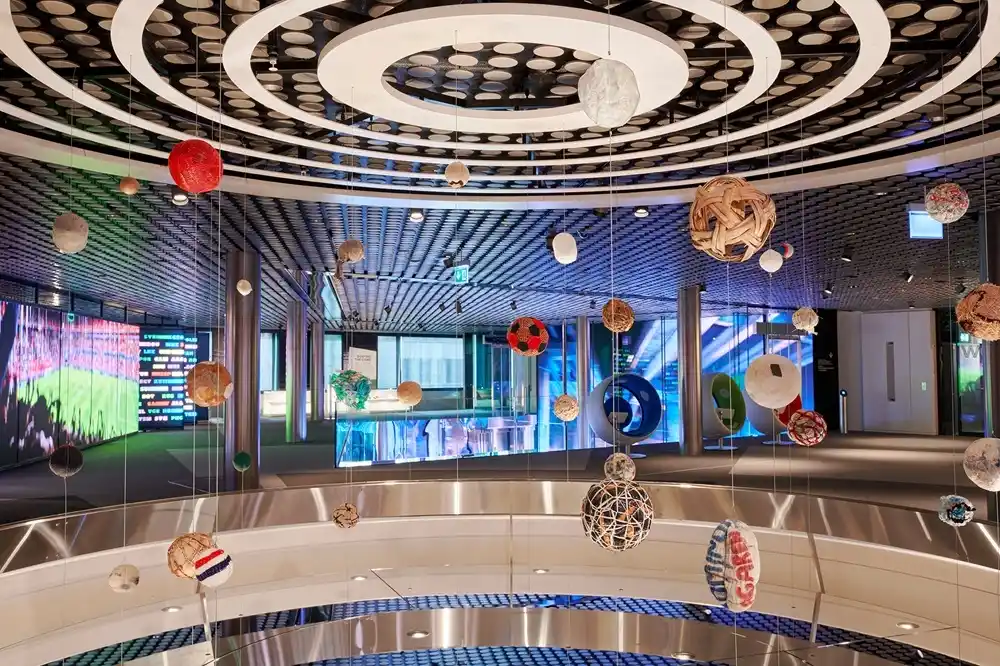
VAR, sky-high TV deals, shirts priced for oligarchs. Football’s swallowed the lot and somehow it’s still the same old game. Whether that comforts you or irritates you probably depends on the day.
Leaving the Museum
Eventually, the noise fades. The screens disappear. Zurich greets you again with its calm precision.
But football stays with you.
That’s why this museum works as a cultural space. It doesn’t ask visitors to memorise football history, but to recognise their place within it.
Not as statistics or timelines, but as emotion, identity and shared experience. The FIFA World Football Museum works because it understands that football isn’t just watched. It’s lived.
Somewhere between the penalty shootout simulator and the cabinet of old shirts, something shifted. Hard to name exactly. But Zurich felt slightly different on the way back to the tram.
Visiting the FIFA World Football Museum in Zurich
The FIFA World Football Museum sits near the centre of Zurich, close to the lake and easily reached by tram or train. Inside, the museum combines historic objects, interactive installations and immersive exhibitions that explore football’s global influence.
Visitors often arrive to see the iconic FIFA World Cup Trophy, but the museum goes far beyond trophies and statistics. Shirts, fan culture, historic moments and personal stories reveal how football connects people across continents.
For a city that prides itself on being buttoned up, the museum is a bit of a shock to the system. It trades Swiss neutrality for raw, messy passion. A place where the world’s most popular game becomes a story about identity, memory and shared passion.
You Might Like This
Loved this one? We picked a few more you might like.



Your voice!