
The Long Pour: Istanbul’s Unhurried Caffeine Fix
Strong, slow and hard to leave. Coffee in Istanbul turns minutes into hours without trying.
Forget the clinical precision of a third-wave brew bar. There are no oat-milk lattes here, no bespoke bean origins and certainly no one weighing beans down to the gram. In Istanbul, coffee is a dark, sludge-thick and entirely non-negotiable constant. It isn’t a beverage you ‘grab’ on your way to somewhere more important, but the anchor that keeps you exactly where you are.
Beyond the Bazaar
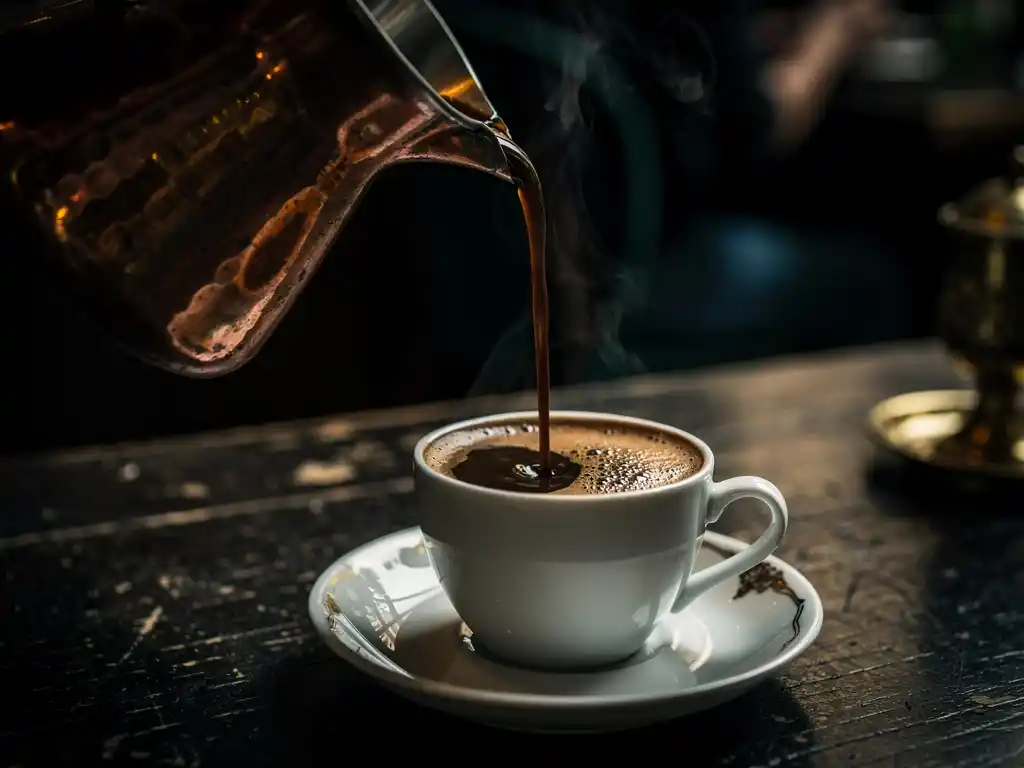
While the Grand Bazaar offers its usual, loud-mouthed magnetism, the real pulse of the city is found in the side-streets. Here, the process remains stubbornly low-tech: a copper cezve, an open flame and a complete lack of shortcuts.

The guys behind these counters couldn’t give you a brewing ratio if you paid them. There are no scales, no digital timers and no pretense. Just a decade of muscle memory and a wrist that knows exactly when the foam is right. When it finally hits the cup, it’s far less refined than the average Western palate expects. It’s grainy, heavy and hits the stomach with the weight of a proper meal.
The Sweet Friction
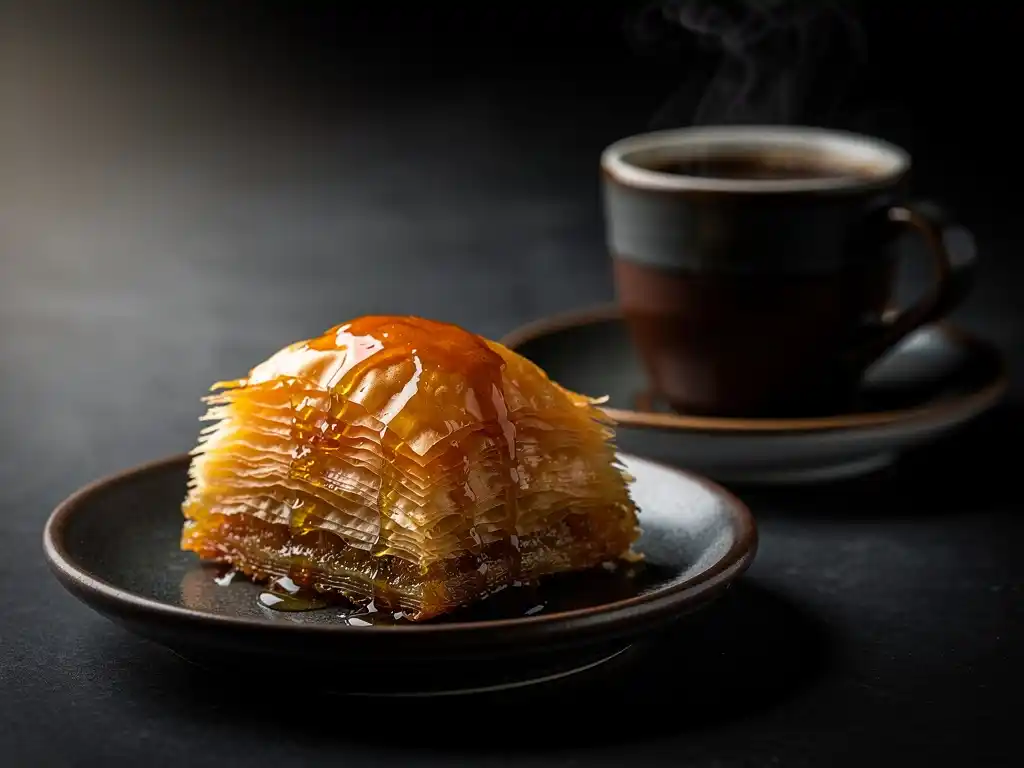
A Turkish coffee is essentially an exercise in friction. This coffee is too intense to stand alone, so it demands an antagonist. Than the baklava comes in. A dessert that is heavy, sticky and loaded with syrup and pistachio. Or perhaps lokum, which vanishes in a soft, sugar-dusted cloud before the bitterness of the next sip drags you back down to earth; with a rhythmic back-and-forth that requires zero conscious thought, yet occupies your entire afternoon.
The Art of the Residue
The experience doesn’t end when the liquid is gone. In fact, that’s usually when the phones are finally pocketed. The cup is flipped, the dregs are left to settle and the kahve falı — the reading of the grounds — begins. You’ll see people leaning in over a marble tabletop, tracing roads or animal shapes in the dried silt.
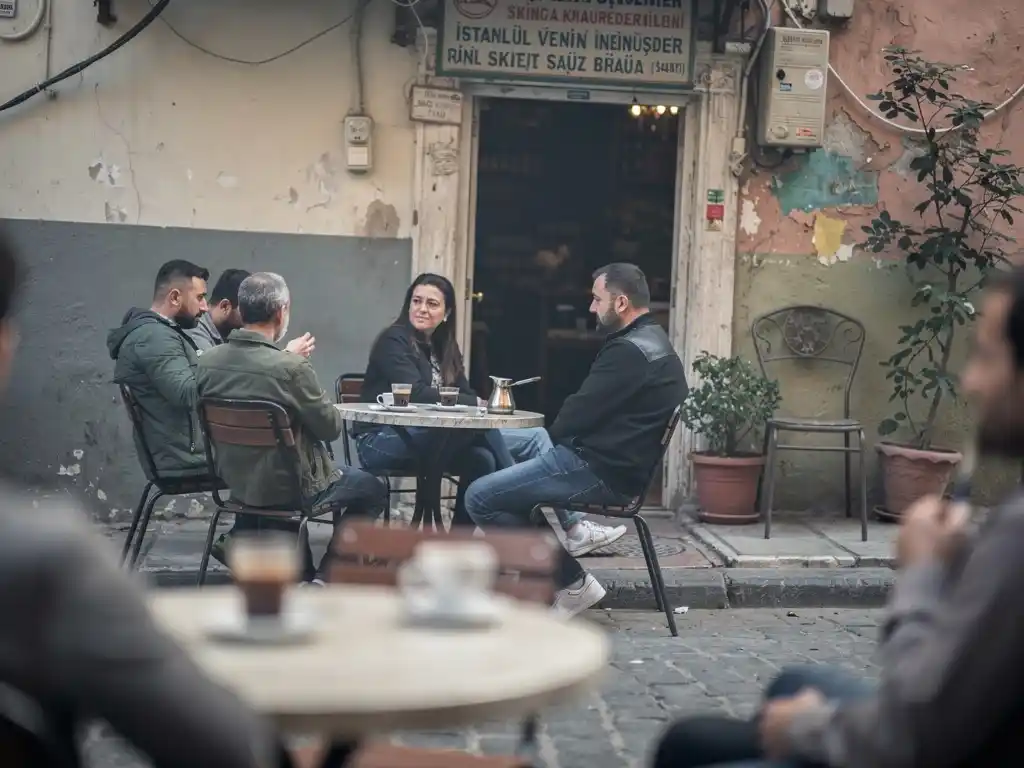
Whether they actually believe the ‘prophecies’ is irrelevant; the ritual provides the perfect excuse for the conversation to stretch another forty minutes. A social sleight of hand that turns a ten-minute break into a two-hour residency.
The Bosporus Stare
Down by the water, the city’s frantic energy simply evaporates. You’ll see groups sitting for hours, staring out at the Bosporus with a half-empty cup between them, seemingly immune to the passage of time. One coffee leads to a tea, which leads to a long silence, which leads back to coffee.
In London or New York, coffee is fuel, a means to an end. In Istanbul, coffee is the background noise to an argument, the scaffolding for a long-winded plan or the silence between old friends. Those weird, empty gaps in the afternoon where the clock just seems to stop. You don’t remember the flavour so much as you remember the way the day slowed down just enough to let you breathe.
You Might Like This
Loved this one? We picked a few more you might like.


Your voice!