

Inside GRIMMWELT Kassel, Where Fairy Tales Lose Their Innocence
On Kassel’s Weinberg hill in Germany, GRIMMWELT Kassel explores the unsettling origins of the Brothers Grimm fairy tales.
Fairy tales are supposed to be soft. Safe. Something whispered just before the lights go off. Then you step into GRIMMWELT Kassel in Germany and suddenly those stories feel different. Sharper. Darker. Almost uncomfortable.
GRIMMWELT Kassel is a modern museum in the city of Kassel dedicated to the lives, work and legacy of Jacob and Wilhelm Grimm. It’s a place that strips fairy tales back to their raw origins, long before they were softened for children.
This is not the land of singing princesses and friendly woodland animals. This is where wolves eat grandmothers, forests swallow children and happy endings are never guaranteed. Welcome to GRIMMWELT Kassel, the place where the Brothers Grimm finally drop the mask and the fairy tales grow up.
At a glance
- Dark origins of Grimm fairy tales.
- GRIMMWELT Kassel museum experience.
- Brothers Grimm as folklore collectors.
- Cultural meaning behind classic stories.
These Stories Were Never Meant to Be Gentle
Long before Disney polished them into family-friendly fantasies, the Brothers Grimm were collecting stories that were raw, violent and brutally honest. Tales passed down by word of mouth. Stories shaped by hunger, fear, loss and survival.
These fairy tales were part of European folklore, created to explain danger, morality and survival in an unpredictable world.
Think less bedtime comfort.
Think more warning labels for real life.
Inside the museum, that truth hits fast. These weren’t stories designed to entertain children. They were tools. They were lessons. Cultural survival guides disguised as myths. The kind of stories you tell to make sure kids don’t wander into the forest… because they might not come back.
And suddenly, those dark undertones you always felt as a kid? Yeah, those were real.
GRIMMWELT Kassel Is Not Your Typical Museum
From the outside, GRIMMWELT Kassel looks clean, modern, almost minimalist. Smooth lines. Open spaces. A building that feels very now.
Walking through the museum, the contrast becomes impossible to ignore.
Ancient fairy tales collide with contemporary design. Handwritten notes sit next to digital installations. Old paper, new technology. Silence that feels intentional, heavy, almost theatrical.
This museum focuses not only on fairy tales but also on the Grimm brothers’ work as linguists, collectors and cultural historians.
Sometimes playful. Sometimes unsettling. Always deliberate.
This isn’t just a place where you rush from room to room ticking off boxes. It slows you down. Makes you read. Makes you listen. Makes you feel slightly uneasy, in the best possible way.
Instead of overwhelming you with facts, the museum lets the stories breathe. You move through language, symbols, sounds and shadows. Sometimes playful. Sometimes unsettling. Always deliberate.
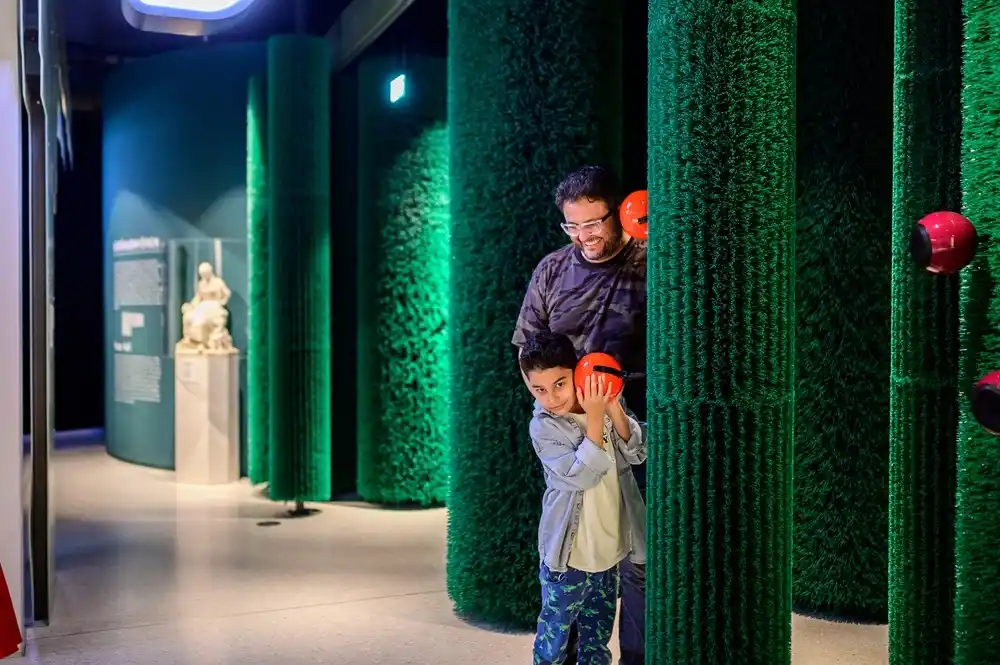
It feels less like an exhibition and more like walking through the collective subconscious of Europe.
Mirrors, Forests and Familiar Fears
You’ll recognise the themes instantly.
Mirrors that whisper Snow White.
Forests that echo Hansel and Gretel.
Silence that feels thicker than noise.
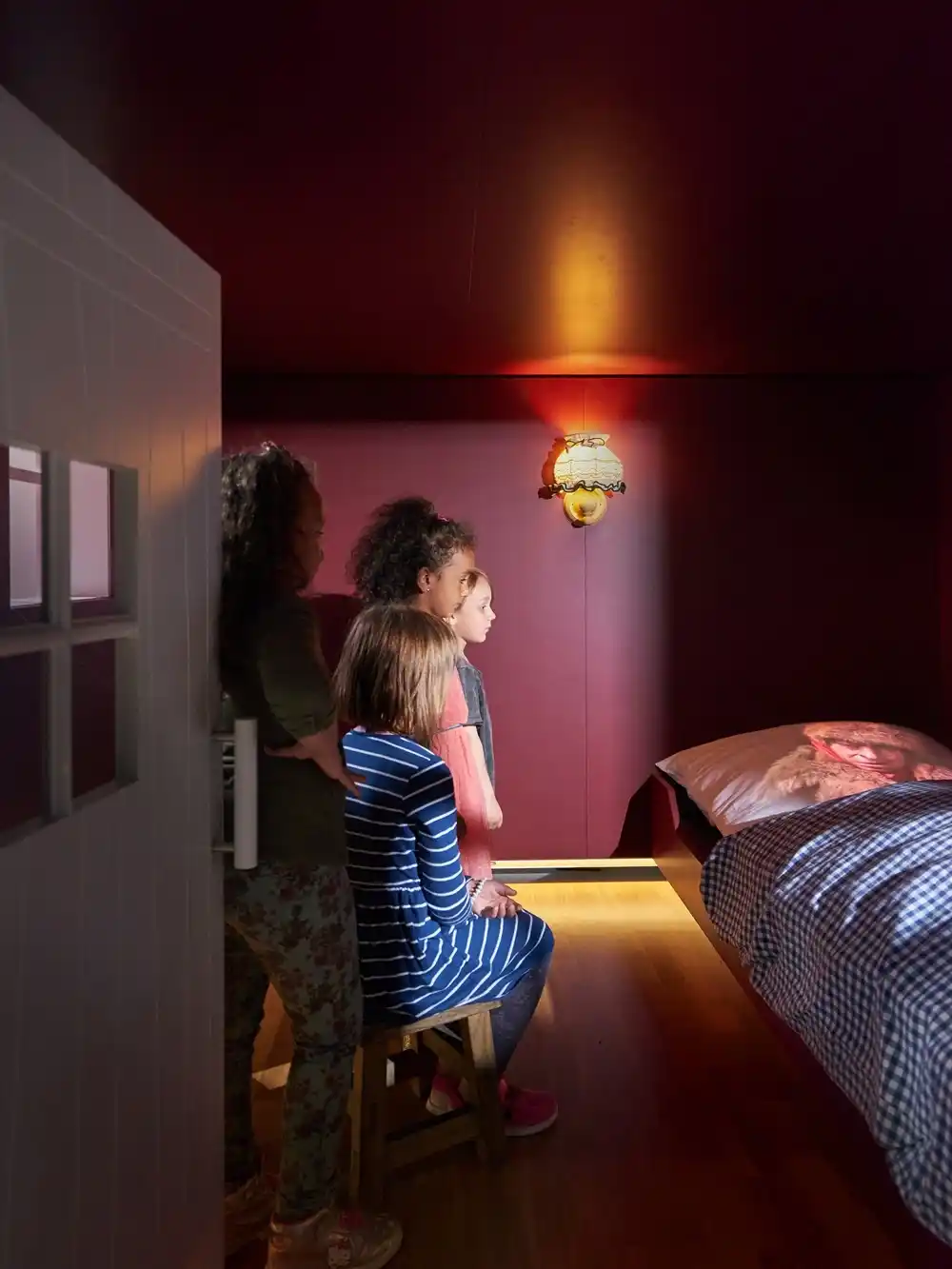
The museum doesn’t only recreate fairy tales scene by scene. It does something smarter. It explores the emotions and fears behind them. Fear of the dark. Fear of strangers. Fear of getting lost. Fear of being alone.
Standing there, surrounded by fragments of these stories, one thing becomes clear: fairy tales didn’t scare children. They scared adults for children.
And somehow, that makes them even more powerful.
The Brothers Grimm Were Collectors, Not Dreamers
Jacob and Wilhelm Grimm weren’t whimsical storytellers inventing magical worlds. They were collectors of oral tradition. Observers of everyday life. Archivists of human imagination.
They travelled, listened and documented stories as they were told, even when the stories were violent, unsettling or uncomfortable. Especially then.
Not only nostalgia, but also cultural archaeology, digging through layers of myth.
At GRIMMWELT Kassel, this side of the brothers takes centre stage. Their work on language, folklore and cultural identity sits alongside the fairy tales. You start to see them less as authors and more as preservers of a disappearing oral culture.

That’s what makes this place fascinating. It’s not only nostalgia, but also cultural archaeology, digging through layers of myth to understand how people once lived, feared and survived.
A Museum That Trusts Its Visitors
What sets GRIMMWELT Kassel in Germany apart is restraint. It doesn’t shout, oversimplify or treat visitors like children who need everything explained.
The museum assumes curiosity, patience and reflection.
You’re trusted to connect the dots.
You’re trusted to sit with discomfort.
You’re trusted to remember how these stories felt when you were young and to notice how differently they land now.
That confidence gives the museum a quiet intensity. No forced fun. No gimmicks. Just atmosphere, ideas and space to think.
This Isn’t Just for Children, Far From It
Despite its fairy-tale reputation, this museum is primarily designed for adults and curious travellers.
It’s for:
- Travellers interested in culture and storytelling.
- Readers who grew up on fairy tales and want their original context.
- Visitors curious about folklore, language and myth.
- Anyone who prefers thoughtful museums over spectacle.
Children will enjoy parts of it. Adults will understand it.
Because this museum doesn’t ask what fairy tales are. It asks what they were for.
Kassel’s Quiet Surprise
Kassel isn’t always at the top of Germany’s travel lists and that’s part of its appeal. The city feels calm, unhurried and refreshingly free of theme-park chaos.
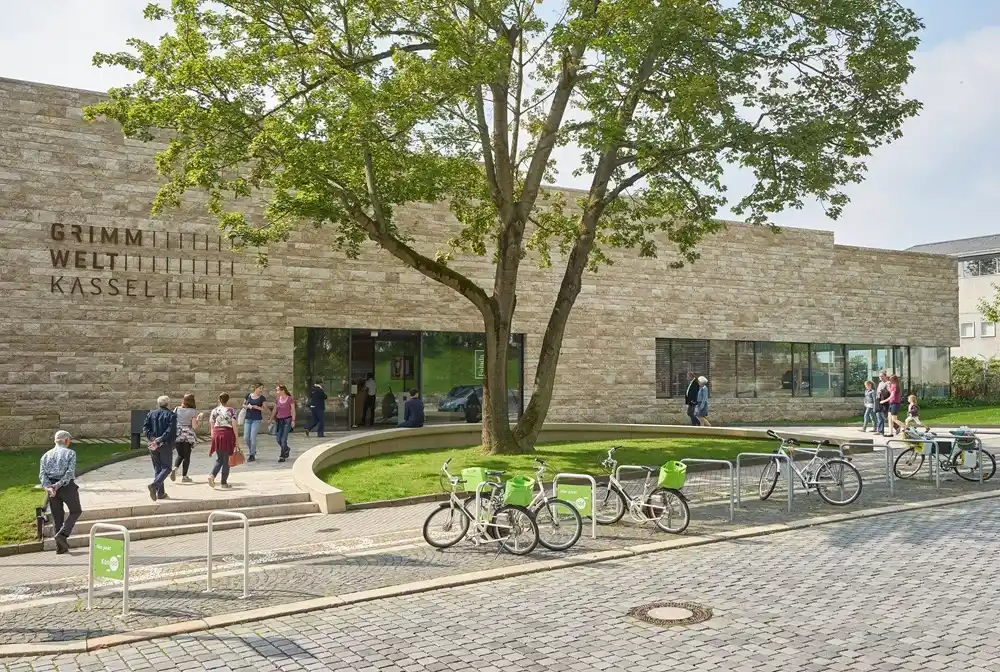
GRIMMWELT Kassel fits that rhythm perfectly. It doesn’t compete for attention and waits for it.
Pair the visit with a slow walk through the city, a coffee break and a moment to reflect on how many childhood stories were never meant to be comforting.
You Won’t Read Fairy Tales the Same Way Again
When you leave GRIMMWELT Kassel something shifts.
Snow White stops being just a princess.
The wolf stops being just a villain.
The forest stops being just a backdrop.
These stories survived for centuries because they told uncomfortable truths about the world. Standing inside GRIMMWELT Kassel makes that impossible to ignore.
Fairy tales didn’t lose their innocence here. They reclaimed their meaning.
Visiting GRIMMWELT Kassel
GRIMMWELT Kassel sits on a hillside overlooking the city of Kassel in central Germany. The museum is dedicated to the work and legacy of Jacob Grimm and Wilhelm Grimm, the brothers who collected and preserved many of Europe’s most famous fairy tales.
Inside, visitors move through a modern exhibition that blends literature, folklore and language. Original manuscripts, interactive displays and contemporary installations reveal how the Grimm brothers documented stories that were often far darker than the versions known today.
GRIMMWELT Kassel feels less like a traditional fairy-tale museum and more like an exploration of storytelling itself, where myths, fears and cultural memory meet.
You Might Like This
Loved this one? We picked a few more you might like.




Your voice!